New World Screwworm Detections Confirmed by USDA APHIS
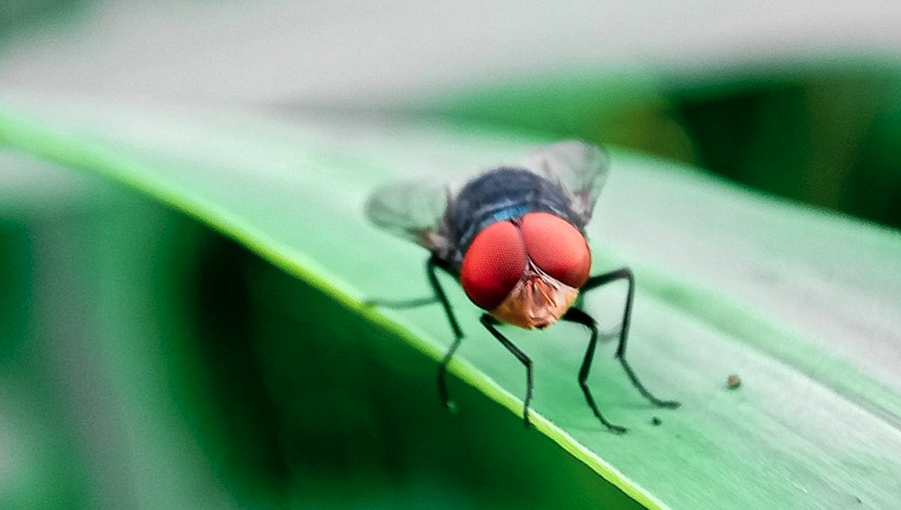
The Animal and Plant Health Inspection Service has announced confirmed detections of the New World screwworm. Federal officials released the findings to alert farmers, veterinarians, and animal owners across the country. Animal care teams must now watch closely for signs of this harmful pest.
What is the New World screwworm?
The New World screwworm is a fly parasite that attacks warm-blooded animals. Female flies lay eggs in open cuts or small scratches on the skin. Once the eggs hatch, the larvae burrow into living tissue and feed on it. This causes painful wounds and can make animals very sick if nobody treats them quickly.
This pest is dangerous because it targets healthy, living muscle rather than dead tissue. An untreated wound can grow large in just a few days. Cattle, horses, sheep, and family pets can all catch it if flies are nearby. Even tiny cuts from bushes or bites from ticks can give the fly an easy place to lay its eggs.
What are the confirmed detections of New World screwworm?
The recent findings from the animal health agency show that the pest was caught during active screening. Agricultural inspectors check traps, watch farm animals, and test samples to spot problems early. The agency issued this notice so livestock owners can take action right away. You can learn more about how officials manage this threat by reading about the 2026 United States New World Screwworm outbreak history.
When inspectors confirm that a fly or maggot is a true New World screwworm, they act quickly to stop it from spreading. They track the area where the fly was found and look for other sick animals nearby. Finding the problem fast helps protect herds before widespread damage happens. Federal and local teams work together to create safety zones around any positive case.
- Inspectors confirmed positive test samples through official laboratory checks.
- The agency shared the news to warn livestock owners and private vets.
- Teams are looking closely at animal transport routes and border regions.
- Early reports help stop the fly before it moves deep into farm country.
Why this pest alert matters to everyday people
Most people never think about insect pests until meat prices go up or pets get sick. If screwworm flies spread into major farming states, ranchers face huge losses in cattle and sheep. Keeping herds safe takes extra money, extra medicine, and daily checks of every animal. Those higher costs can quickly reach grocery stores and raise prices for basic food items.
Pet owners also need to pay attention when alerts like this appear. Dogs and cats that spend time outside can pick up small scrapes while playing. If a screwworm fly finds that cut, the pet will need quick medical care from a vet. Keeping wounds clean and covered protects pets from serious harm until the alert ends.
What should livestock owners watch for next?
Animal owners should inspect their herds every day for unusual sores or draining wounds. Sick animals often separate themselves from the group, look uncomfortable, or scratch at one spot. If you see maggots inside a live cut, you should contact a veterinarian and government inspectors immediately. Do not transport animals with open sores until a doctor clears them.
The Animal and Plant Health Inspection Service will continue to share updates as more trap results come in. Officials might set up extra check stations along major travel roads to inspect livestock trailers. Staying alert and reporting strange bugs will help keep herds safe across the entire nation.


Comments
Post a Comment